
If you’re serious about starting a business, the first real step is understanding how to register a business in the US without wasting time or money. I’ve gone through this process myself, and honestly, it’s simpler than most people think—if you follow the right order.
Let me walk you through it the way I’d do it today.
What You Should Know Before Registering Your Business
Here’s something most guides don’t say clearly: there’s no single federal “registration” process.
Instead, you deal with:
- State government (main registration)
- Local authorities (licenses)
- Federal agencies (tax ID)
The good news? Most small businesses can complete everything for under $300, depending on the state.
Before you begin, I recommend exploring ideas like profitable businesses to start with low investment, so you’re confident about your direction.
Step 1: Choose the Right Business Structure

Your structure affects taxes, liability, and future growth.
Sole Proprietorship vs LLC vs Corporation
A sole proprietorship is the easiest to start. But it offers no protection. Your personal assets are at risk.
An LLC is what I recommend for most beginners. It separates your personal and business finances, which protects you legally.
A corporation works best if you plan to raise funding or scale aggressively. It’s more complex and comes with stricter compliance rules.
If you’re unsure, start with an LLC. It’s flexible and widely used.
Step 2: Pick and Secure Your Business Name
This step sounds simple, but it’s where many people make costly mistakes.
Name Search, DBA, and Trademark Basics
Start by checking your state’s Secretary of State website. Your business name must be unique.
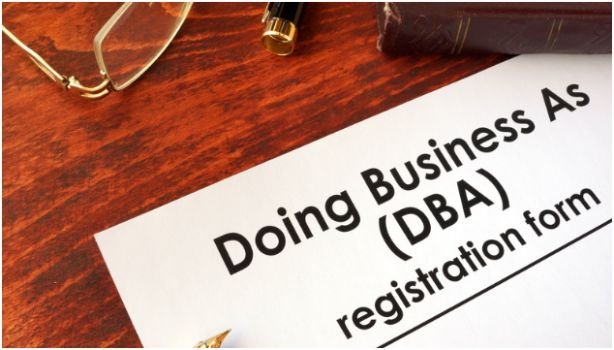
If you want to operate under a different name, you’ll need a DBA (Doing Business As). This is common for freelancers and online brands.
Then check the United States Patent and Trademark Office database to avoid legal conflicts. Skipping this can lead to lawsuits later.
I’ve seen businesses forced to rebrand after months of growth. Don’t skip this step.
Step 3: Appoint a Registered Agent
A registered agent is required in most states.
This person or service receives legal documents on your behalf. They must have a physical address in the state.
You can act as your own agent, but I usually recommend a service. It keeps your home address private and ensures you don’t miss important notices.
Step 4: Register Your Business with the State

This is the official step where your business becomes legal.
Filing Articles of Organization or Incorporation
For an LLC, you file Articles of Organization.
For a corporation, you file Articles of Incorporation.
You’ll submit this through your state’s Secretary of State office. Filing fees typically range from $50 to $300.
Approval times vary. Some states process within 24 hours, while others take a week or more.
Step 5: Get Your EIN from the IRS
Once your business is registered, you need a tax ID.
Apply for an EIN through the Internal Revenue Service website. It’s completely free.
You’ll need an EIN to:
- Open a business bank account
- Hire employees
- File taxes
This step usually takes less than 10 minutes online.
Step 6: Apply for Licenses and Permits

This step depends on your industry and location.
Federal vs State vs Local Requirements
Some industries require federal permits. For example, aviation or alcohol businesses.
Most small businesses need state or local licenses. These can include:
- General business licenses
- Health permits for food businesses
- Professional licenses for regulated fields
Check your city and county requirements carefully. Missing this step can lead to fines.
Step 7: Post-Registration Must-Dos Most People Miss
This is where many new business owners slip up.
BOI Reporting and Bank Accounts
You may need to file Beneficial Ownership Information (BOI) with the Financial Crimes Enforcement Network. This is a newer requirement and completely free.
Then, open a business bank account immediately. Mixing personal and business finances can destroy your legal protection.
Real Example: How I’d Register a Small Business Today
If I were starting from scratch, here’s exactly what I’d do:
I’d choose an LLC for protection and flexibility. Then I’d pick a unique name and verify it across my state and trademark database.
Next, I’d hire a registered agent service for privacy.
After filing my Articles of Organization online, I’d apply for my EIN the same day.
Within a week, I’d handle licenses and open a business bank account.
Total time? About 5–7 days.
Total cost? Around $150 to $300, depending on the state.
That’s it. No complicated process. Just the right order.
FAQs
1. How long does it take to register a business in the US?
Most businesses can be registered within a few days to a week. Some states offer same-day processing.
2. Do I need an EIN if I don’t have employees?
Yes, in most cases. You’ll need it for banking and taxes even if you’re a solo owner.
3. Can I register a business without living in the US?
Yes, non-residents can register a business. You’ll need a registered agent and may face additional tax steps.
4. What is the cheapest way to register a business?
A sole proprietorship is the cheapest, but an LLC offers better protection for a slightly higher cost.
5. Do I need a license for an online business?
In many cases, yes. Even online businesses may need local or state licenses.
So… Ready to Make It Official?
Registering your business isn’t the hard part. Starting is.
Once you understand how to register a business in the US, everything becomes clearer. The process is structured, predictable, and easier than most people expect.
My advice? Don’t overthink it.
Pick your structure, file your documents, and move forward. The sooner you start, the sooner you learn what actually works.
Your next step is simple: take action today, even if it’s just choosing your business name.
