
Small business vendors often manage sales, invoices, inventory, customer messages, follow-ups, marketing, and supplier coordination with limited time and staff. Automation tools help reduce this workload by turning repetitive manual tasks into systems that run in the background. The right automation stack can improve accuracy, speed up customer response times, reduce admin costs, and help […]
Category: Vendor Resources

Vendor vs Freelancer for Startups: Which Is the Right Choice?
Startups often face a critical decision early in their growth journey: should you hire freelancers or work with vendors (agencies)? Both options offer unique advantages, and choosing the wrong one can lead to delays, higher costs, or inconsistent results. Understanding the difference between vendors and freelancers is not just a hiring decision—it directly impacts scalability, […]

Vendor Performance Tracking Methods: A Complete Guide to Measuring Supplier Success
Vendor relationships can either strengthen your business or quietly create delays, quality issues, cost overruns, and compliance risks. That is why businesses need structured vendor performance tracking methods rather than relying on assumptions, informal feedback, or vendor-provided reports alone. Vendor performance tracking is the process of measuring suppliers against agreed KPIs, SLAs, contract terms, quality […]

How to Negotiate Vendor Contracts: Practical Strategies for Better Deals
Knowing how to negotiate vendor contracts can save your business money, reduce risk, and build stronger supplier relationships. Good negotiation is not just about pushing for the lowest price. It is about creating a fair agreement where your company gets value, the vendor understands expectations, and both sides can work together successfully. Whether you are […]

How to Switch Vendors Without Losing Money
Switching vendors can feel risky. Businesses often worry about hidden costs, service disruptions, or penalties that eat into expected savings. However, with the right strategy, you can transition to a better vendor while protecting your budget and even improving efficiency. Understanding how to switch vendors without losing money is essential for startups and growing businesses […]

CRM for Vendor Management: A Complete Guide to Smarter Supplier Relationships
Managing vendors effectively is just as important as managing customers. As businesses scale, supplier relationships become more complex, involving contracts, performance tracking, compliance, communication, and risk management. This is where a CRM for vendor management—often referred to as Vendor Relationship Management (VRM) or Supplier Relationship Management (SRM)—comes into play. A CRM adapted for vendor management […]

How to Compare Business Vendors Step by Step
Choosing the right vendor can affect your costs, service quality, customer experience, and long-term growth. A vendor may look attractive based on price alone, but the cheapest option is not always the best fit. To make a confident decision, you need a structured process that compares vendors based on value, reliability, risk, and long-term alignment. […]
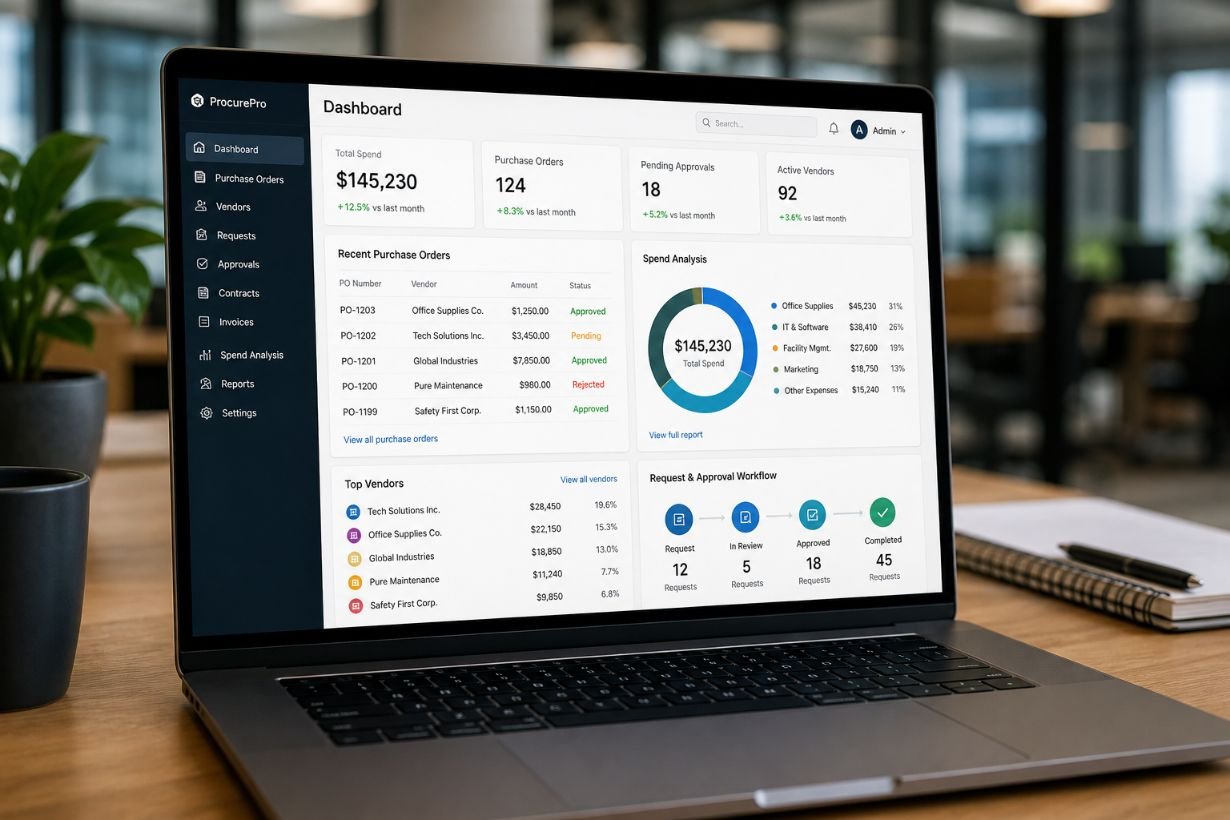
Procurement Tools for Small Business: A Complete Guide to Smarter Purchasing
Procurement is no longer just about buying goods at the lowest price. For small businesses, it plays a critical role in managing costs, improving efficiency, and building reliable supplier relationships. However, manual processes, spreadsheets, and scattered vendor communication often make procurement slow and error-prone. This is where modern procurement tools come in. The right software […]
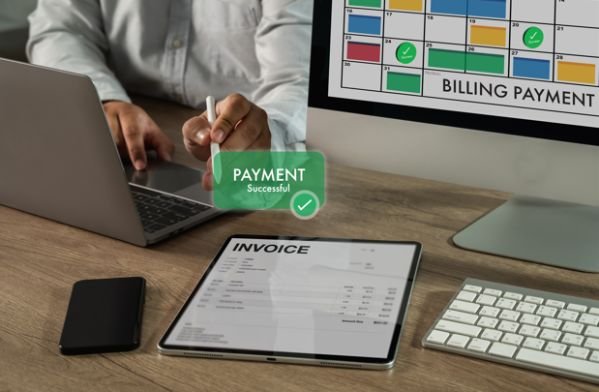
Vendor Payment Terms Explained: A Complete Guide for Businesses
Understanding how and when payments are made is critical for any business dealing with suppliers. Vendor payment terms define the rules of engagement between buyers and sellers, directly impacting cash flow, vendor relationships, and financial planning. Yet many businesses overlook the importance of these terms until they face late fees, strained partnerships, or cash shortages. […]

Vendor Agreement Checklist for Startups: What to Review Before You Sign
For founders, signing a vendor contract can feel like a routine step—but it’s one of the most critical decisions you’ll make early on. A poorly structured agreement can lock your startup into long-term costs, expose you to legal risks, or limit your ability to scale. That’s why having a solid vendor agreement checklist for startups […]