Managing vendors effectively is just as important as managing customers. As businesses scale, supplier relationships become more complex, involving contracts, performance tracking, compliance, communication, and risk management. This is where a CRM for vendor management—often referred to as Vendor Relationship Management (VRM) or Supplier Relationship Management (SRM)—comes into play.
A CRM adapted for vendor management helps businesses centralize supplier data, automate workflows, and track performance, turning vendor relationships into strategic partnerships rather than transactional interactions.
What Is a CRM for Vendor Management?
A CRM for vendor management is a system that stores and organizes all supplier-related information in one place. It tracks vendor details such as contact information, contracts, communication history, compliance documents, and performance metrics.
While traditional CRM systems are designed for managing customers, they can be adapted to manage vendors by customizing workflows, pipelines, and data fields. However, dedicated SRM systems go a step further by offering advanced features like risk monitoring, supplier scorecards, and compliance tracking.
In simple terms, CRM focuses on customers, while SRM focuses on suppliers—but both share the goal of improving relationships and operational efficiency.
Why Businesses Need CRM for Vendor Management
Without a centralized system, vendor data often becomes scattered across emails, spreadsheets, and disconnected tools. This leads to inefficiencies, missed deadlines, and increased risk.
A CRM-based vendor management system solves these challenges by creating a single source of truth. It allows teams to access vendor information instantly, track performance consistently, and ensure compliance with contracts and regulations.
For growing businesses, this centralized approach is essential for scaling operations while maintaining control and transparency.
Key Benefits of Using CRM for Vendors
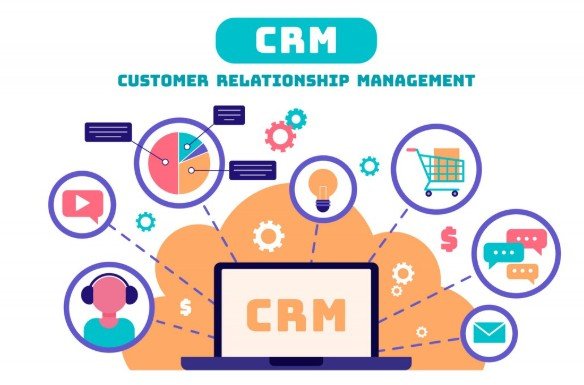
A well-implemented CRM for vendor management delivers several advantages that improve both efficiency and decision-making.
- Centralized database for all vendor information, contracts, and documents
- Performance tracking through dashboards and KPIs
- Automated workflows for approvals, renewals, and follow-ups
- Improved communication with a complete history of interactions
- Risk reduction through compliance monitoring and audit trails
These benefits help businesses move from reactive vendor management to a proactive, data-driven approach.
Top CRM and Vendor Management Tools
There are several tools available that support vendor management, either as dedicated SRM platforms or customizable CRM solutions.
Pipedrive is a popular choice for small and medium-sized businesses. It can be customized to track vendor relationships, manage communication, and monitor procurement stages.
CloudEagle is designed specifically for SaaS vendor management, offering features like contract renewal tracking and spend optimization.
Terzo provides AI-powered insights for enterprise-level vendor management, helping organizations analyze contracts and supplier performance.
Zoho Creator allows businesses to build customized vendor management applications with dashboards, workflows, and reporting features.
Enterprise solutions like SAP and Oracle NetSuite offer advanced procurement and vendor management capabilities, including supplier portals, spend analytics, and integration with financial systems.
Additionally, general CRM tools such as Bitrix24, Monday.com, and Salesflare can be adapted for supplier management by customizing pipelines and workflows.
CRM vs SRM: Understanding the Difference
Although CRM systems can be adapted for vendor management, it’s important to understand how they differ from SRM platforms.
CRM systems are primarily used by sales and marketing teams to manage customer relationships, track leads, and improve customer retention. SRM systems, on the other hand, are designed for procurement and supply chain teams to manage suppliers.
SRM platforms offer specialized features such as supplier scorecards, compliance tracking, audit management, and risk monitoring. They also integrate with procurement systems to provide real-time performance data.
In many cases, businesses use both systems together—CRM for customers and SRM for suppliers—to create a balanced and efficient ecosystem.
Key Features to Look For in a Vendor CRM

Choosing the right CRM for vendor management depends on your business needs. However, certain features are essential for effective implementation.
- Supplier database with centralized information and document storage
- Contract management with renewal alerts and version control
- Performance tracking using KPIs and dashboards
- Workflow automation for approvals and communication
- Integration with accounting, ERP, and procurement systems
These features ensure that the system not only stores data but also provides actionable insights.
How CRM Improves Vendor Performance and Collaboration
A CRM system enhances vendor relationships by improving transparency and accountability. With clear performance metrics and real-time data, businesses can identify issues early and take corrective action.
It also fosters collaboration by providing a shared platform for communication and document management. Vendors can access relevant information, respond to queries, and stay aligned with business expectations.
This collaborative approach leads to better service quality, faster problem resolution, and stronger partnerships.
When to Choose SRM Over CRM

While CRM systems can handle basic vendor management, businesses with complex supplier networks may benefit more from dedicated SRM platforms.
If your organization requires advanced features such as compliance tracking, audit management, risk analysis, or integration with procurement systems, SRM is the better choice.
However, for small businesses or those just starting with vendor management, a customizable CRM can be a cost-effective and flexible solution.
Frequently Asked Questions
What is a CRM for vendors?
A CRM for vendors is a system that helps businesses manage supplier relationships by centralizing data, tracking performance, automating workflows, and improving communication. It can be a standard CRM adapted for vendors or a dedicated SRM platform.
What are the 4 types of CRM?
The four main types of CRM are operational CRM (automation of processes), analytical CRM (data analysis and insights), collaborative CRM (improving communication), and strategic CRM (long-term relationship management).
What is the most popular vendor management system?
Popular vendor management systems include Pipedrive, CloudEagle, Terzo, Zoho Creator, SAP, and Oracle NetSuite. The best choice depends on business size, complexity, and specific requirements.
Is SAP a CRM or ERP system?
SAP is primarily an ERP system that includes modules for procurement, finance, and supply chain management. It also offers CRM capabilities, but its core strength lies in enterprise resource planning.
Can a CRM fully replace an SRM system?
A CRM can handle basic vendor management tasks, but it may lack advanced features such as risk monitoring, compliance tracking, and supplier scorecards. For complex needs, an SRM system is more suitable.
How does CRM reduce vendor risk?
CRM systems reduce risk by centralizing data, tracking compliance, monitoring performance, and maintaining detailed records of communication and contracts. This helps businesses identify and address issues early.
Building Stronger Vendor Relationships with the Right Technology
A CRM for vendor management is more than just a database—it is a strategic tool that transforms how businesses interact with suppliers. By centralizing information, automating processes, and providing real-time insights, it helps organizations build stronger, more reliable vendor relationships.
For small and growing businesses, starting with a flexible CRM solution is often the best approach. As complexity increases, transitioning to a dedicated SRM platform can provide additional capabilities.
Ultimately, combining the right CRM system with effective processes and procurement tools for small business creates a powerful foundation for managing suppliers efficiently and driving long-term success.
