
If you’re serious about building income without opening a full store, learning how to start a vendor-based business is one of the fastest paths I’ve personally tested. You don’t need massive capital—you need the right product, reliable suppliers, and smart positioning.
I’ve seen beginners fail not because of bad products, but because they skipped vendor research and sourcing strategy. This guide fixes that.
What a Vendor-Based Business Really Looks Like
A vendor-based business usually falls into two categories. You either sell directly to customers at markets, events, or online, or you supply products to other businesses.
Retail vendors focus on customer experience and branding. B2B vendors focus on volume, consistency, and contracts. Both models work—but the strategy changes based on your path.
Step 1: Choose Your Niche and Validate Demand

Before anything else, you need clarity on what you’re selling.
I always start by scanning real demand instead of guessing. Visit local markets, check trending products online, and analyze what people actually spend money on.
Retail vs B2B Vendor Models
Retail works best for products like clothing, food, and handmade goods. B2B works better for bulk supply, services, or specialized products.
If you’re unsure, start retail. It gives faster feedback and helps you understand customer behavior quickly.
Step 2: Set Up Your Legal and Financial Foundation
This is where most beginners try to cut corners—and regret it later.
You need to register your business properly. A sole proprietorship is easy, but an LLC offers protection if things go wrong. If you plan to operate under a brand name instead of your legal name, learning to file for a DBA name becomes essential so you can legally trade under that business identity.
Licenses, EIN, and Resale Certificate
You’ll need a general business license and often a vendor permit for events. Apply for an EIN from the Internal Revenue Service to handle taxes professionally.
The resale certificate is critical. It allows you to buy inventory without paying sales tax and proves you’re a legitimate business.
Open a business bank account immediately. Mixing personal and business money is a mistake I see all the time.
Step 3: Build a Vendor List for Small Business USA
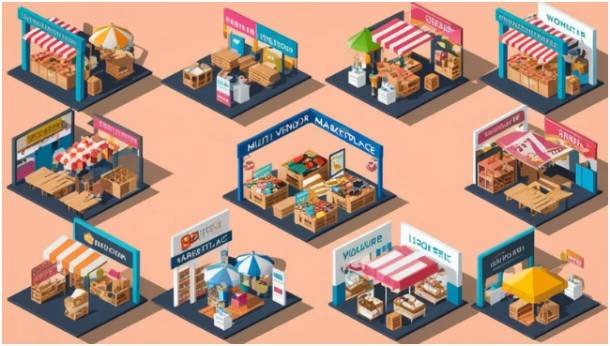
This step determines your profit margins more than anything else.
Instead of random Google searches, I use structured platforms to build a reliable vendor list for small business USA that fits my niche.
Best Wholesale Directories to Use
Platforms like Wholesale Central give access to thousands of suppliers across categories.
Faire is ideal if you want boutique-style products with low minimum orders.
SaleHoo helps avoid scams with vetted suppliers.
For manufacturing or industrial sourcing, Thomasnet is extremely useful.
Niche-Specific Suppliers That Actually Work
If you’re in fashion, curated platforms and boutique marketplaces outperform generic suppliers.
For jewelry, companies like Wona Trading move fast with trend-based inventory.
For dropshipping or online models, Spocket offers US-based suppliers with faster shipping.
Step 4: How to Find Wholesale Vendors in the US
Once you have a list, you need better sourcing methods. This is where most blogs stay surface-level—but this is where profits are made.
Online vs In-Person Sourcing
Online directories are fast, but trade shows build real relationships.
Events like ASD Market Week or MAGIC let you negotiate deals directly and see product quality in person.
If you can attend even one event, it gives you a massive advantage.
Direct Manufacturer Strategy
One tactic I personally use is contacting brands directly.
Look for wholesale or distributor pages on their websites. If they don’t sell directly, they often share authorized distributors.
This removes middlemen and increases your margins instantly.
Step 5: Source Smart and Test Before Scaling
Never go all-in on your first order.
I always test products in small batches first. This helps me check quality, demand, and customer feedback before investing heavily.
This simple step has saved me thousands.
Step 6: Set Up Operations and Start Selling

Now it’s time to actually sell.
Events, Booth Setup, and Payments
If you’re a retail vendor, apply early to events. Spots fill months in advance.
A clean setup matters. A simple tent, organized display, and clear pricing increase conversions.
For payments, tools like Square or Shopify POS make transactions seamless.
Marketing That Drives Foot Traffic
Your online presence drives offline sales.
I use platforms like Instagram and TikTok to show products, build anticipation, and announce locations.
People don’t just buy products—they buy from brands they recognize.
Step 7: Vet Vendors Like a Pro (Avoid Costly Mistakes)
This is where you protect your business.
Always verify supplier legitimacy. Use Google Maps to confirm real locations.
Request samples before placing bulk orders. Check quality, packaging, and delivery speed.
For regulated products, verify compliance through agencies like the U.S. Food and Drug Administration.
Skipping this step is one of the fastest ways to lose money.
FAQs
1. How much money do I need to start a vendor-based business?
You can start with as little as $500 to $2,000 depending on your niche. Start small and scale based on demand.
2. Do I need a license to be a vendor in the US?
Yes, most locations require a business license and vendor permit. Requirements vary by state and city.
3. How do I find reliable wholesale vendors in the US?
Using trusted directories and trade shows is the best approach. Learning how to find wholesale vendors in the US properly reduces risk and improves margins.
4. What sells best for beginner vendors?
Low-cost, high-demand items like accessories, snacks, and seasonal products perform well for beginners.
This Isn’t a Side Hustle—It’s a System
If you treat this casually, you’ll get casual results. But if you follow a system—validate demand, build a strong supplier network, and test before scaling—you can turn this into a serious income stream.
Start small. Stay consistent. And focus on building relationships, not just making quick sales.
That’s the real difference between struggling vendors and profitable ones.
