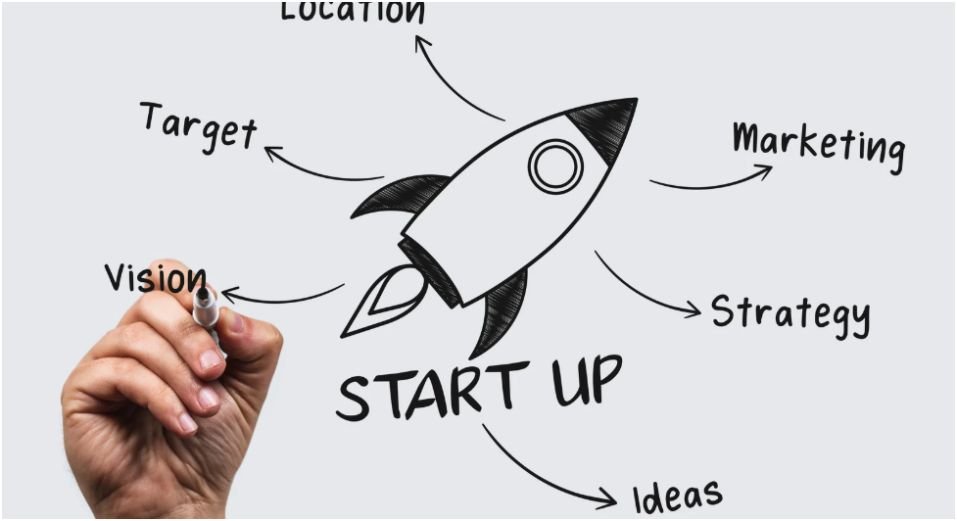
If I had to start from scratch today, I wouldn’t follow most advice online. I’d follow a lean, practical startup checklist for new entrepreneurs that focuses on speed, validation, and smart funding—not perfection.
Most beginners waste months building something nobody wants. I’ve seen it happen again and again. This guide fixes that by showing you what to do first, what to skip, and how to get your first paying customer faster.
The Real Order: What Most Checklists Get Wrong
Most checklists go like this: idea → registration → website → launch.
That’s backwards.
The real order should be:
- Validate demand
- Get early interest
- Then build and formalize
Even organizations like the U.S. Small Business Administration emphasize planning—but real-world execution requires validation before paperwork.
Step 1 — Validate Before You Build

This is the step that decides whether your business lives or dies.
How I Validate Ideas Fast in 7 Days
Instead of spending months building, I test ideas like this:
Day 1–2: Research real problems
Day 3–4: Talk to 5–10 potential customers
Day 5–6: Create a simple landing page
Day 7: Ask for payment or signups
If no one shows interest, I pivot.
That’s it.
No logo. No branding. No overthinking.
Step 2 — Legal Setup Without Overcomplicating It
Once validation shows promise, then you formalize.
Choosing the Right Business Structure
Start simple:
- Sole proprietorship (fastest)
- LLC (better liability protection)
You’ll also need:
- Business name registration
- Tax ID (EIN equivalent)
- Basic licenses depending on your industry
The goal isn’t perfection—it’s compliance without slowing momentum.
Step 3 — Financial Setup & Securing Initial Funding
This is where most new founders feel stuck.
Smart Ways of Securing Initial Funding in 2026
Let me be blunt: you don’t need investors on day one.
Here’s what actually works:
Start with your own resources (bootstrapping). It gives you control.
Then explore structured options like:
- SBA-backed loans
- Microloans for early-stage startups
- Grants via platforms like Grants.gov
For tech founders, programs like the Small Business Innovation Research Program offer non-dilutive funding.
The smartest founders combine:
- Small loans
- Early revenue
- Selective grants
Instead of chasing investors too early.
Step 4 — Build Operations That Don’t Break at Scale

Now that money and validation are in place, you build systems.
Tools That Actually Matter Early On
You don’t need 20 tools. You need 3–4 that work:
- Communication → Slack
- Organization → Notion
- Customer tracking → HubSpot
Focus on clarity, not complexity.
Define simple workflows:
- How leads become customers
- How customers get support
- How you track revenue
Step 5 — Marketing Before You’re Ready
This is where most beginners hesitate—and lose momentum.
Pre-Launch Strategy That Gets Customers Early
Before your product is “perfect,” start:
- Building an audience
- Posting content
- Sharing your journey
Marketing is not an afterthought. It’s your growth engine.
I always aim to have:
- 50–100 interested users before launch
Because launching to silence is the worst outcome.
Step 6 — Launch, Learn, and Adjust Fast

Your first launch will not be perfect.
That’s the point.
You launch to:
- Get feedback
- Fix issues
- Improve fast
Companies that iterate quickly win. Not the ones that wait.
My 30-Day Startup Checklist (Real Example)
Here’s how I would actually execute this:
Week 1: Idea validation and customer conversations
Week 2: Landing page + early signups
Week 3: Legal setup + basic financial system
Week 4: Soft launch and feedback
In 30 days, you should have:
- Real users
- Real feedback
- Potential revenue
That’s progress.
FAQs
1. What is the most important step in a startup checklist for new entrepreneurs?
Validation. If people don’t want your product, nothing else matters.
2. How do I start securing initial funding without investors?
Start with bootstrapping, then explore microloans, SBA programs, and grants. Focus on revenue first.
3. How long does it take to launch a startup?
You can launch a basic version in 30 days if you stay focused and avoid perfection.
4. Do I need a business plan before starting?
Yes, but keep it simple. A one-page plan is enough initially.
5. What mistakes should new entrepreneurs avoid?
Building without validation, over-spending early, and delaying marketing.
Your Move: Stop Planning, Start Building
Here’s the truth most guides won’t tell you: You don’t need more information—you need action.
If you follow this startup checklist for new entrepreneurs, you’ll move faster than 90% of beginners. Start small. Validate quickly. Earn your first dollar.
Then scale. That’s how real businesses are built in 2026.
