
I still remember when I first heard about affiliate marketing. The biggest barrier for me wasn’t effort—it was the idea that I needed a website. That felt complicated, expensive, and honestly overwhelming.
But once I started digging deeper, I realized something surprising: you don’t actually need a website to get started. You just need the right platforms, a clear plan, and consistency.
Can You Really Start Affiliate Marketing Without a Website?
Yes, and it’s more common than you think. Many beginners skip building a website and instead use platforms where people already spend time. These platforms act as your traffic source and content hub at the same time. The key is simple: instead of bringing people to your website, you meet them where they already are.
How Affiliate Marketing Works Without a Website
The concept doesn’t change. You promote a product using a unique affiliate link. When someone clicks and buys, you earn a commission. The only difference is where you place that link. Instead of a blog, you use:
- Social media content
- Video platforms
- Online communities
- Email lists
Your job is to create helpful or engaging content that naturally leads people to your recommendation.
Best Platforms to Promote Affiliate Links

YouTube
YouTube is one of the most powerful platforms because people search with intent. If someone watches a review or tutorial, they’re already interested. That makes them more likely to click your link. Focus on:
- Product reviews
- Tutorials
- Comparison videos
TikTok and Short-Form Video
Short videos are perfect for fast exposure. You don’t need a large audience. Even small accounts can go viral if the content is engaging. Focus on:
- Quick tips
- Product demonstrations
- Before-and-after results
Pinterest works more like a search engine than social media. You can post pins that link directly to affiliate products. Over time, these pins can drive consistent traffic. This is especially effective for:
- Home products
- Fashion
- Digital tools
Facebook Groups
Groups allow you to connect with people in a specific niche. Instead of spamming links, answer questions and provide value. Then share your recommendation when it makes sense.
Reddit and Quora
These platforms are great for answering real questions. People trust detailed, helpful responses. If your answer solves a problem, your link feels natural—not forced.
Email Newsletter
Even without a website, you can build an email list. You can use free tools to collect emails and send product recommendations directly to your audience.
Best Affiliate Programs for Beginners
When you’re starting out, choose programs that are beginner-friendly and easy to join.
Look for:
- Simple approval process
- Reliable tracking
- Products people already search for
Popular options include:
- Marketplaces with a wide range of products
- Software and digital tools
- Online courses
The goal is to match your platform with the right type of product.
Step-by-Step Plan to Get Your First Sale
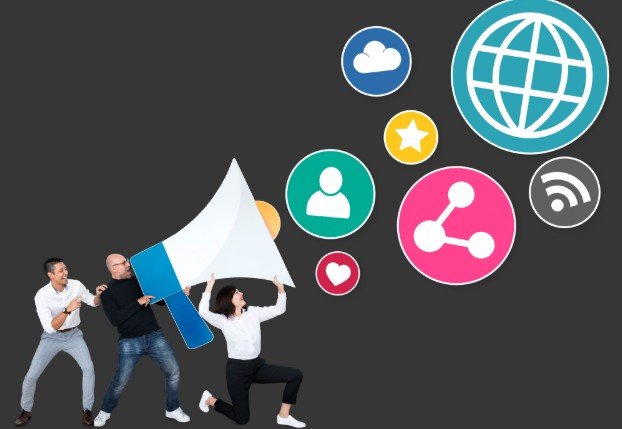
If I had to start today, this is the exact process I would follow.
- First, pick one platform. Don’t try to do everything at once.
- Second, choose a niche. Focus on a specific topic so your content stays clear and consistent.
- Third, join one or two affiliate programs related to your niche.
- Fourth, create content daily. Keep it simple and helpful. You don’t need perfection.
- Fifth, place your affiliate link strategically. Add it where it feels natural.
- Finally, track what works. Double down on content that gets engagement and clicks.
- This simple system works because it focuses on action instead of overthinking.
Free vs Paid Traffic
Free traffic is the best starting point. It takes time, but it builds long-term results. Platforms like YouTube, Pinterest, and TikTok fall into this category. Paid traffic can speed things up, but it requires testing and budget. If you’re new, start with free methods first. Once you understand what works, you can experiment with ads.
Common Mistakes to Avoid
One mistake I see often is promoting too many products at once. When you focus on one niche, your content becomes more consistent and trustworthy. Another mistake is posting links without context.
People don’t click links just because they’re there. They click when they understand the value. Also, don’t ignore platform rules. Some platforms have restrictions on direct affiliate links. Always check guidelines before posting.
Do You Still Need a Landing Page?
Not always, but it can help. A simple landing page gives you more control. It can also increase conversions by guiding visitors more clearly. That said, you can start without it. Add it later when you’re ready to scale.
Frequently Asked Questions
1. Can beginners follow How to Start Affiliate Marketing with No Website?
Yes, beginners can absolutely follow this approach. It’s actually one of the easiest ways to get started because you avoid the technical side of building a site.
2. How long does it take to make your first sale?
It depends on consistency and platform choice. Some people see results in weeks, while others take longer.
3. Which platform is best for beginners?
Short-form video platforms and Pinterest are great starting points because they don’t require a large audience.
4. Do I need money to start?
No, you can begin with free tools and platforms. Paid options can come later.
A Smarter Way to Move Forward
Looking back, I wish I had started sooner instead of waiting for the “perfect setup.” The truth is, progress comes from taking action, not from building everything upfront.
If you stay consistent, focus on helping people, and keep improving your content, this approach can turn into a real income stream over time. You don’t need everything figured out today. You just need to start—and adjust as you go.