Looked into Pinterest Affiliate Marketing Strategy for Beginners, I realized something important: Pinterest is not just another social media platform. It works more like a visual search engine where people actively look for ideas, products, and solutions.
That is why affiliate marketing can work well here when it is done carefully. The goal is not to spam links. The goal is to help people discover useful products through helpful pins, clear descriptions, and honest recommendations.
What Is Pinterest Affiliate Marketing?
Pinterest affiliate marketing means sharing product links through Pins and earning a commission when someone clicks and buys through your affiliate link.
You can promote products from affiliate networks, commercial platforms program, marketplaces, or creator platforms. Some beginners link directly to affiliate products, while others send people to a blog post first.
For beginners, I prefer the blog method because it gives you more space to explain the product, build trust, add disclosures, and compare options.
Why Pinterest Works for Affiliate Marketing
Pinterest works because users come with buying intent. Someone searching “small apartment organization ideas” or “best skincare routine for dry skin” is already looking for solutions. That makes Pinterest different from platforms where people only scroll for entertainment.
A useful Pin can keep bringing traffic for months if it ranks in Pinterest search. This is why a smart Pinterest Affiliate Marketing Strategy for Beginners should focus on search, helpful content, and consistency instead of quick income claims.
Step 1: Choose a Profitable Beginner Niche

Start with a niche that has product demand and visual appeal. Good beginner niches include home decor, beauty, fashion, fitness, parenting, travel, digital tools, crafts, food, and personal finance.
Do not choose a niche only because it pays high commissions. Choose one where you can create useful content consistently.
For example, “home office setup” can include desk chairs, lighting, organizers, planners, tech gadgets, and productivity tools. That gives you many affiliate content angles.
Step 2: Create a Pinterest Business Account
A business account gives you access to analytics, audience insights, ads, and business tools. It also looks more professional if you are using Pinterest for marketing.
Set up your profile with a clear name, niche-focused bio, relevant keywords, and a simple profile image. Your boards should also match your niche. For example, instead of one broad board called “Products I Love”, create boards like “Small Home Office Ideas,” “Budget Desk Setup,” and “Work From Home Essentials.”
Step 3: Find Affiliate Programs That Fit Your Audience
Look for affiliate programs that match your niche and audience intent. Beginners can explore Amazon Associates, ShareASale, Impact, Rakuten, ClickBank, Etsy affiliate options, or direct brand programs.
Before joining, check commission rates, cookie duration, payout terms, product quality, and rules for Pinterest promotion. Some programs allow direct Pinterest linking. Others require sending traffic to your website first. Always read the terms before posting links.
Step 4: Use Pinterest SEO Before Designing Pins
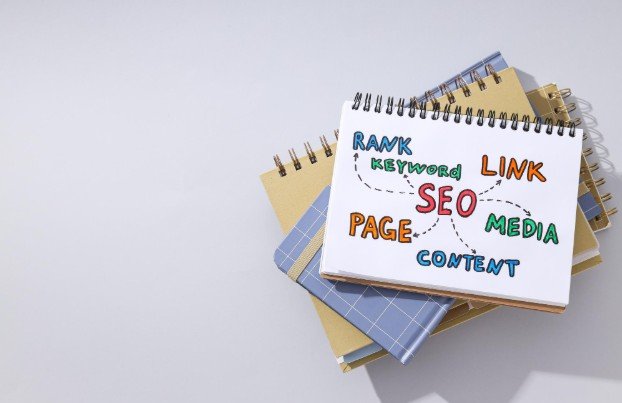
Pinterest SEO starts with keyword research. Search your main topic in Pinterest and look at autocomplete suggestions. For example, if your topic is “meal prep,” Pinterest may suggest “meal prep for beginners”, “meal prep lunch ideas” or “healthy meal prep on a budget.”
Use these phrases in your Pin title, description, board names, and blog content. This helps Pinterest understand what your content is about.
Step 5: Create Pins That Look Helpful, Not Spammy
Your Pin should promise a clear benefit. Strong Pin titles include phrases like “Best Budget Kitchen Tools,” “Beginner Home Workout Gear,” or “Simple Travel Essentials for Long Flights.”
Use clean images, readable text, vertical design, and a strong visual focus. Avoid cluttered graphics and exaggerated claims. A good beginner formula is simple: problem, product solution, and benefit. For example, “Tiny Closet? These Organizers Make More Space.”
Step 6: Add Clear Affiliate Disclosures
A simple disclosure can be: “This Pin contains affiliate links, which means I may earn a commission if you buy through my link.” Place disclosures where users can notice them. This protects trust and keeps your content more compliant.
Step 7: Decide Between Direct Links and Blog Links
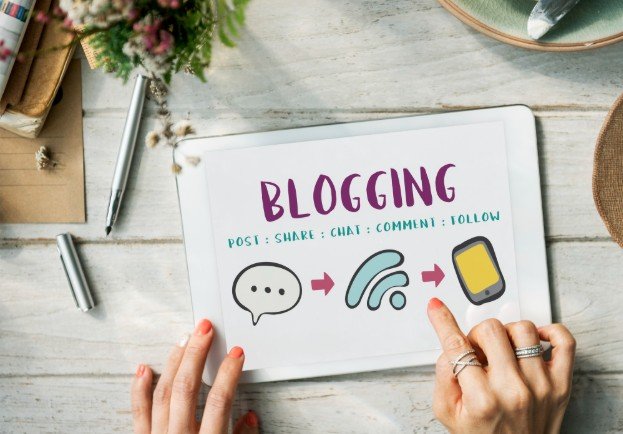
Direct affiliate links are simple, but they give you less control. Blog links take more work, but they let you explain the product better. A blog post also lets you rank on Google, build an email list, compare products, and add more affiliate links naturally.
For beginners, I would use blog posts for detailed buying guides and direct links only when the affiliate program clearly allows them.
Step 8: Follow a Simple Weekly Pinning Plan
Consistency matters more than posting 50 pins in one day and disappearing. A beginner-friendly weekly plan could include writing one helpful blog post, creating five fresh Pin designs, testing different titles, and checking analytics once a week.
Track saves, outbound clicks, impressions, and top-performing Pins. Over time, create more content around what already gets engagement.
Common Mistakes Beginners Should Avoid
The biggest mistake is posting random affiliate links without strategy. Pinterest rewards useful, fresh, relevant content. Another mistake is ignoring keywords.
Pretty Pins alone are not enough if Pinterest cannot understand the topic. Also avoid promoting products you would never recommend. Trust is your biggest asset in affiliate marketing.
Frequently Asked Questions
1. What is the best Pinterest Affiliate Marketing Strategy for Beginners?
The best strategy is to choose a clear niche, create a business account, research Pinterest keywords, design helpful Pins, disclose affiliate links, and post consistently.
2. Can I do Pinterest affiliate marketing without a blog?
Yes, but only if your affiliate program allows direct linking on Pinterest. A blog is still better for trust, SEO, and long-term growth.
3. How long does it take to make money from Pinterest affiliate marketing?
Most beginners need a few months of consistent pinning, testing, and content creation before seeing steady clicks or commissions.
4. Do I need many followers to earn from Pinterest?
No. Pinterest is search-driven, so keyword-optimized Pins can get traffic even if your account is new.
Final Takeaways
When I look at Pinterest affiliate marketing, I do not see it as a shortcut. I see it as a simple system that rewards helpful content, smart keywords, and steady effort.
If you choose the right niche, create useful Pins, follow affiliate rules, and keep improving based on analytics, Pinterest can become a strong traffic source for affiliate income over time.
