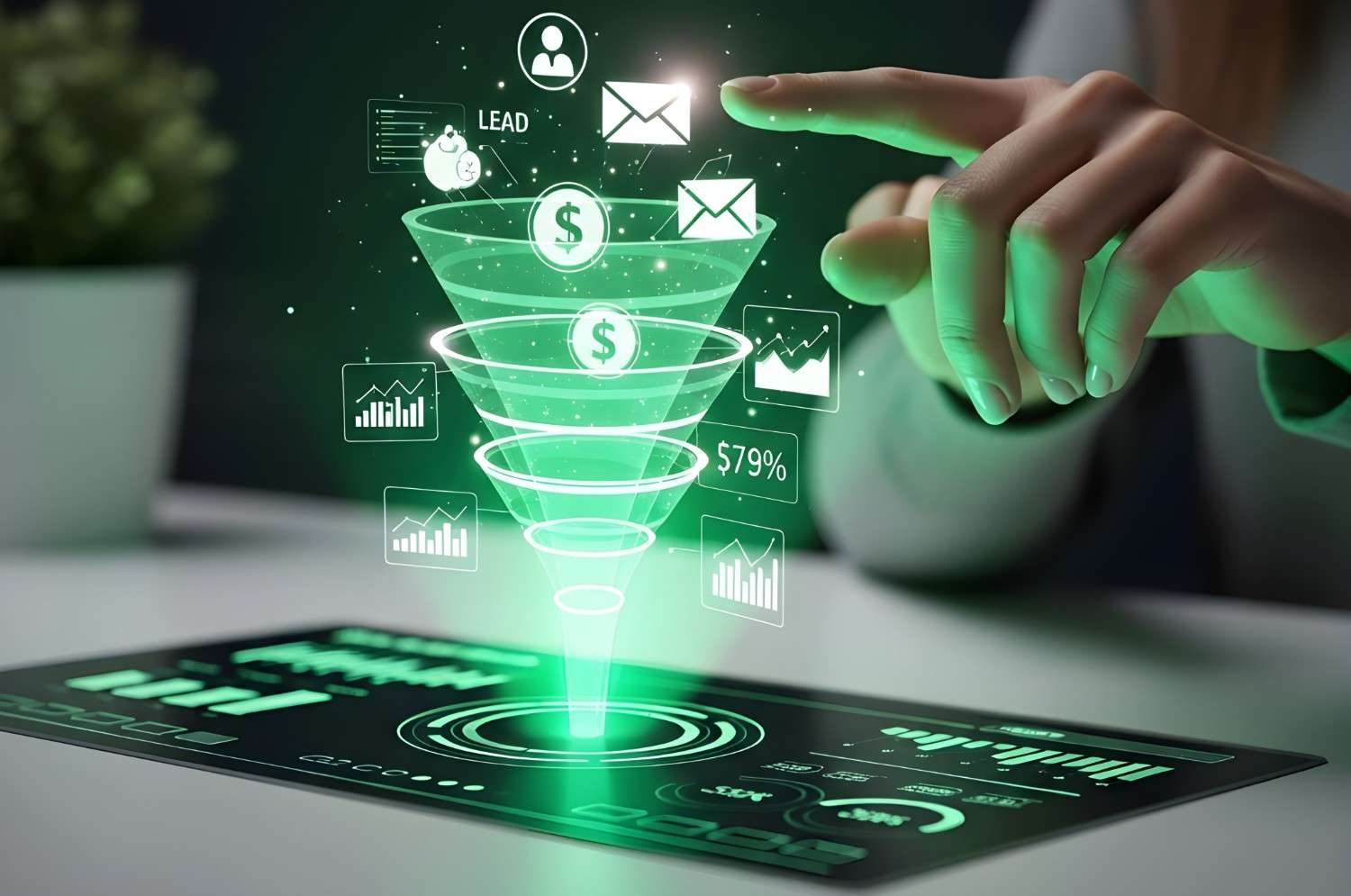
A few years ago, I noticed something interesting while studying fast-growing online businesses in the U.S. Most of them were not winning because they had bigger budgets or viral social media pages. They were winning because they had systems.
Every email, landing page, ad campaign, webinar, and follow-up message worked together like part of a connected customer journey. Instead of hoping visitors would eventually convert, these businesses guided people through a structured path designed to build trust and increase sales naturally.
That is exactly why marketing funnels have become one of the most important parts of digital growth today. Businesses no longer want random campaigns that produce inconsistent results. They want repeatable frameworks that turn traffic into leads, leads into customers, and customers into long-term revenue.
This is where marketing funnel templates become incredibly valuable. They simplify strategy, improve consistency, and help businesses scale much faster without rebuilding every campaign from scratch.
What Are Marketing Funnel Templates and Why Do Businesses Use Them?
A marketing funnel template is a structured model that maps how potential customers move from discovering a business to becoming paying customers.
Most successful funnels follow a customer journey that starts with awareness and ends with conversion or long-term loyalty.
Businesses use funnel templates because they reduce guesswork. Instead of randomly publishing content or running disconnected campaigns, marketers can guide users through a planned experience.
I have noticed that structured funnels improve conversion rates because every stage has a purpose. The messaging stays aligned, the customer experience feels smoother, and prospects understand what to do next.
This matters even more in competitive American industries where customers compare multiple brands before making decisions.
How the Classic AIDA Funnel Still Drives Sales
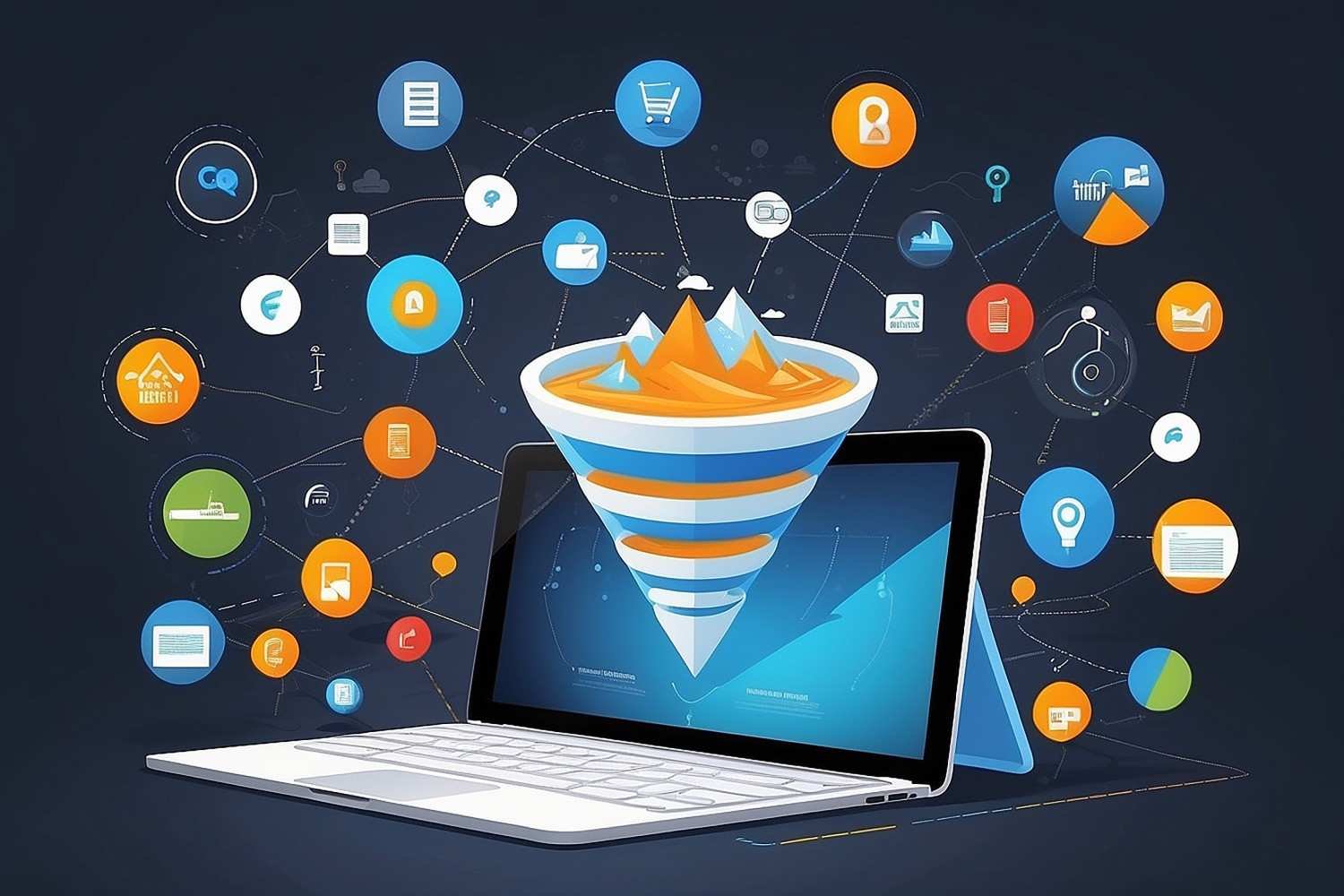
One of the oldest and most effective frameworks is the AIDA funnel.
AIDA stands for Awareness, Interest, Desire, and Action.
The awareness stage focuses on grabbing attention through channels like Google search, YouTube content, TikTok videos, paid advertising, SEO blogs, and social media campaigns.
Interest develops when businesses educate or entertain audiences with valuable content. This often includes guides, tutorials, storytelling, or industry insights.
Desire happens when customers emotionally connect with the product or service. Brands usually build this through testimonials, case studies, reviews, before-and-after examples, and social proof.
The final action stage pushes users toward conversion through a strong call-to-action such as scheduling a consultation, purchasing a product, starting a free trial, or subscribing.
Even today, many successful digital campaigns still follow this framework because it aligns closely with buyer psychology.
Why B2B Companies Depend on TOFU, MOFU, and BOFU Funnels
B2B marketing usually involves longer buying cycles and larger purchasing decisions. Because of that, businesses often divide funnels into three stages known as TOFU, MOFU, and BOFU.
Top-of-funnel content focuses on attracting attention and generating leads. Businesses often use ebooks, checklists, webinars, templates, industry reports, and educational blog posts at this stage.
Middle-of-funnel strategies nurture trust. This is where brands use email sequences, case studies, webinars, comparison pages, and product demonstrations.
Bottom-of-funnel content focuses on conversion. Discovery calls, consultations, proposals, free trials, and live demos become critical here.
One thing I consistently notice is that successful B2B companies prioritize trust-building more than aggressive selling. Their funnels educate prospects gradually instead of forcing immediate conversions.
How SaaS Businesses Build Product-Led Funnels
Software companies often rely on product-led growth funnels where the product itself drives user acquisition and expansion.
The process usually begins with user acquisition through organic traffic, app stores, referrals, YouTube tutorials, or paid ads.
Activation becomes the most important stage because users must quickly experience value inside the platform. Many SaaS brands call this the “Aha Moment.”
Retention strategies then encourage users to continue engaging with the product weekly or daily through onboarding emails, tutorials, integrations, and customer support.
Referral systems encourage satisfied users to invite teammates or friends.
Revenue growth finally comes from converting free users into paid subscribers through premium features or usage upgrades.
This model works extremely well because users experience the product before making a purchasing decision.
Why Ecommerce Funnels Focus Heavily on Reducing Friction
Ecommerce brands operate differently because customers often make fast buying decisions.
The funnel usually begins when users land on a product page through ads, influencer content, search traffic, or email campaigns.
The next stage involves encouraging shoppers to add products to their cart. Product photos, customer reviews, pricing transparency, and shipping details heavily influence this decision.
Checkout optimization becomes critical because complicated checkout flows increase abandonment rates.
After purchase, strong ecommerce brands continue the funnel through post-purchase emails, loyalty programs, upsells, and product recommendations.
I have noticed that the highest-converting ecommerce funnels simplify every step possible. Faster load times, cleaner mobile experiences, and fewer checkout distractions consistently improve revenue.
How Businesses Use Funnel Mapping Tools
Many teams now visualize their funnels before building campaigns.
Tools like Miro, Lucidchart, Figma, Google Slides, PowerPoint, and Google Sheets help businesses organize funnel stages visually.
Whiteboard tools allow teams to map customer journeys and identify weak conversion points.
Spreadsheets help marketers track drop-off percentages between stages. This makes it easier to identify where users lose interest.
Presentation tools help agencies and marketing teams explain strategies internally during planning meetings.
Visual funnel mapping improves collaboration because everyone understands how each stage connects together.
The Biggest Marketing Funnel Mistakes Businesses Make
One major mistake is trying to sell too early.
Many businesses immediately push offers before building trust or educating prospects. This often increases bounce rates and reduces conversions.
Another issue is inconsistent messaging. When advertisements, landing pages, and emails communicate different promises, users lose confidence quickly.
I also see businesses overcomplicating funnels with too many pages, emails, forms, and offers. Simpler funnels often outperform complicated ones because customers experience less friction.
The strongest funnels stay focused on one primary conversion goal.
Why Marketing Funnel Templates Continue Growing in Popularity
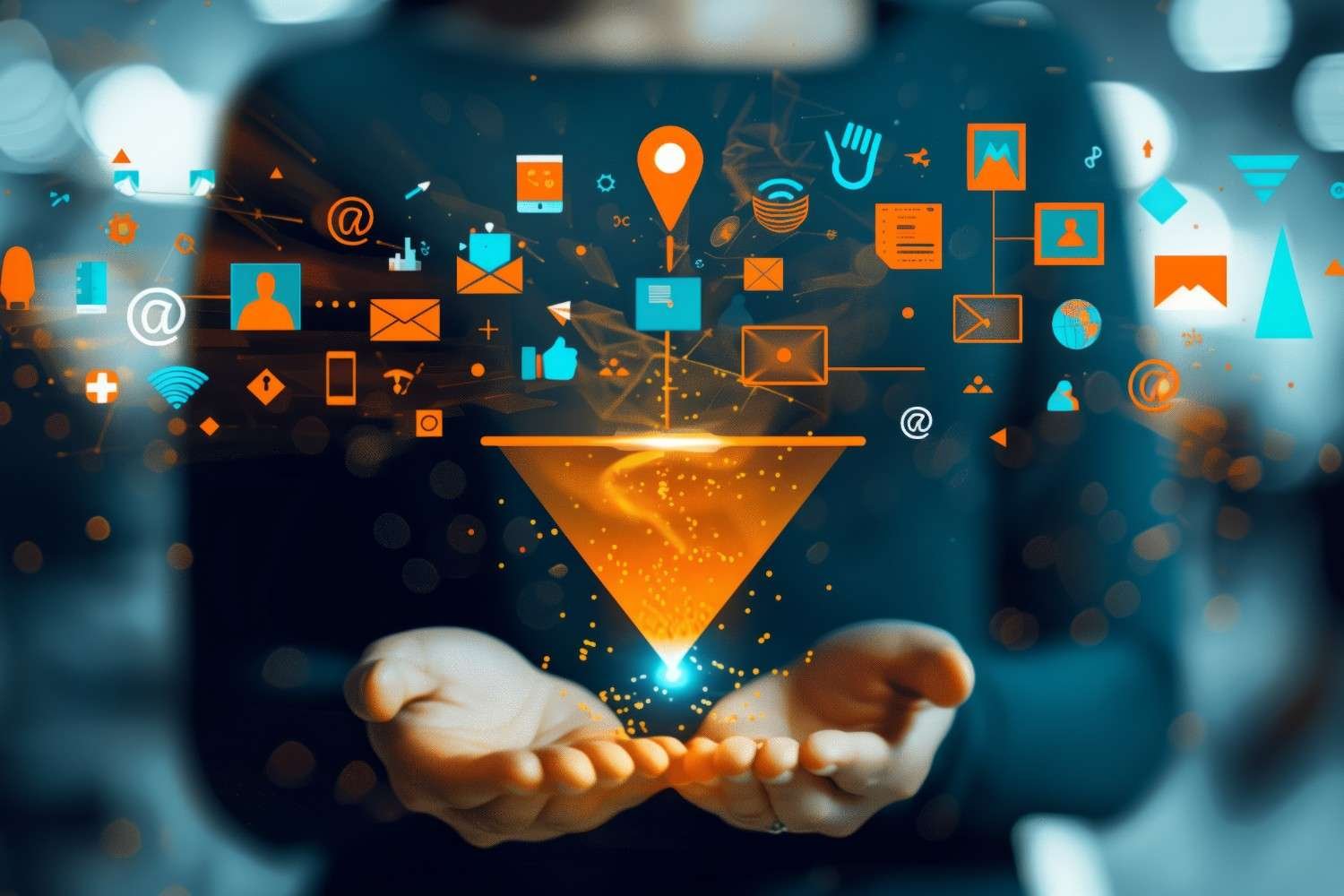
Businesses want systems that scale efficiently.
Instead of rebuilding campaigns repeatedly, teams can reuse proven frameworks that already align with customer behavior and conversion psychology.
That is why marketing funnel templates are becoming increasingly valuable for ecommerce brands, SaaS companies, agencies, creators, consultants, and service providers throughout the United States.
Once businesses understand how to guide users through awareness, trust, conversion, and retention, marketing becomes far more predictable and measurable.
Frequently Asked Questions About Marketing Funnels
1. What is the best funnel model for beginners?
The AIDA model remains one of the easiest frameworks because it clearly explains the progression from attention to conversion.
2. Why do SaaS companies use product-led funnels?
Product-led funnels allow users to experience value before purchasing, which improves trust and conversion rates.
3. Are ecommerce funnels different from B2B funnels?
Yes. Ecommerce funnels focus on fast purchasing decisions, while B2B funnels usually involve longer relationship-building stages.
4. Do small businesses need funnel templates?
Absolutely. Structured funnels help small businesses improve consistency, generate leads, and scale marketing more efficiently.
5. Can marketing funnel templates improve conversion rates?
Yes. Proper funnel structures reduce friction, improve user experience, and help businesses guide customers more effectively through the buying journey.
Final Thoughts on Building Smarter Funnels
The biggest shift in my own marketing strategy happened when I stopped improvising campaigns and started building systems instead.
The businesses growing fastest today are not necessarily producing more content or spending the most on advertising. They are creating structured customer journeys that consistently convert attention into revenue.
That is why I continue relying on marketing funnel templates and digital marketing templates for lead generation, ecommerce sales, email automation, SaaS onboarding, and long-term customer retention strategies.
Once you build repeatable funnel systems, growth becomes far more scalable, predictable, and easier to optimize over time.
