
Watching customers quietly disappear from a product or service can feel confusing and frustrating, especially when growth looks steady on the surface. That’s exactly where understanding what is customer churn becomes essential. It is not just a metric you track once a month. It is a powerful signal that tells you how satisfied your customers really are and whether your business is built to last.
Key Takeaways
- Customer churn measures how many customers stop doing business with you
- It directly impacts revenue, growth, and customer lifetime value
- High churn signals deeper issues in product or experience
- Retaining customers is cheaper than acquiring new ones
- Reducing churn requires data, empathy, and consistent engagement
What Is Customer Churn?
Customer churn is the rate at which customers stop doing business with a company over a specific period. It includes users who cancel subscriptions, stop purchasing, or completely disengage from a service. It is also commonly known as customer attrition or customer turnover.
At its core, churn reflects customer satisfaction that leads to loyalty. When churn is high, it often indicates that customers are not finding enough value or are facing friction in their experience. Businesses that actively monitor churn can identify problems early and take corrective action.
Understanding what is customer churn is especially important for subscription-based businesses, SaaS platforms, and e-commerce brands that rely on repeat purchases. These models depend heavily on long-term customer relationships rather than one-time transactions.
Definition Of Customer Churn
Customer churn occurs when users stop using a product, do not renew contracts, or close their accounts. It is measured as a percentage and helps businesses understand how many customers they are losing over time.
This definition may sound simple, but its impact is significant. Even a small increase in churn can lead to major revenue loss over time. That is why companies treat churn as one of the most critical performance indicators.
Types Of Customer Churn
Not all churn happens for the same reason, which is why it is important to break it down into types.
Voluntary churn happens when customers actively decide to leave. This is often due to dissatisfaction, poor service, or better alternatives in the market.
Involuntary churn occurs without the customer’s intention. It is usually caused by payment failures, expired cards, or technical issues that disrupt the billing process.
Customer Churn Rate And How To Calculate It?
Measuring churn is where insights become actionable and meaningful.
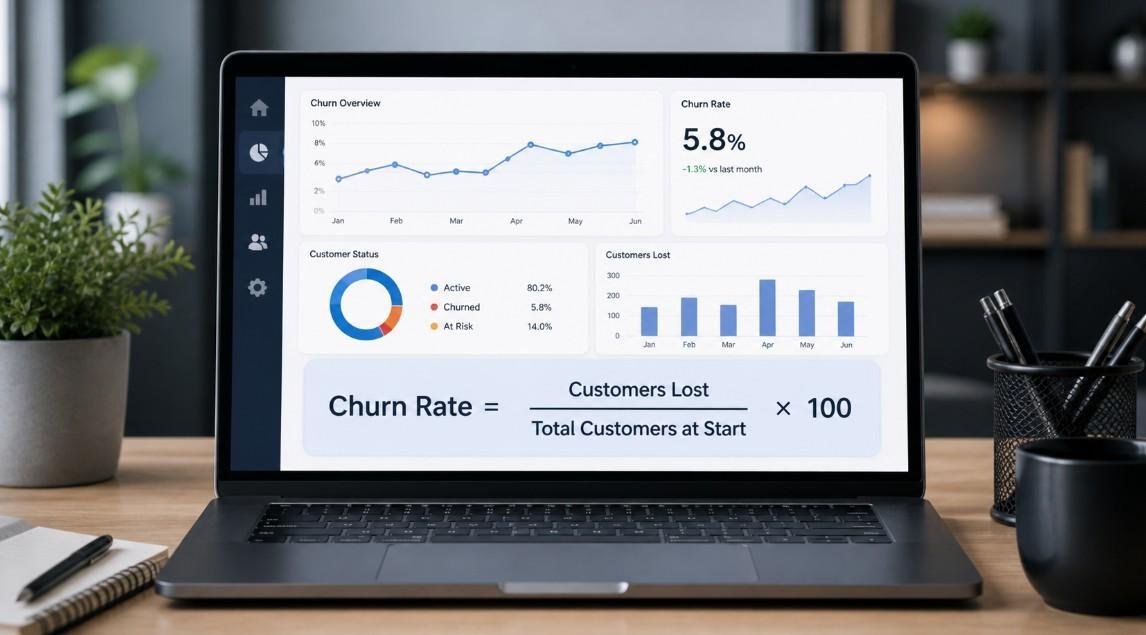
Churn Rate Formula
Churn Rate=Customers LostTotal Customers at Start×100\text{Churn Rate} = \frac{\text{Customers Lost}}{\text{Total Customers at Start}} \times 100Churn Rate=Total Customers at StartCustomers Lost×100
This formula calculates the percentage of customers lost during a specific period compared to the total number at the beginning.
Example Of Customer Churn Calculation
Imagine starting the month with 1,000 customers and losing 50 by the end of the month. Your churn rate would be 5 percent.
This number might seem small, but over time it compounds and significantly affects revenue and growth. Tracking churn regularly helps businesses stay proactive rather than reactive.
Advanced Metrics To Track
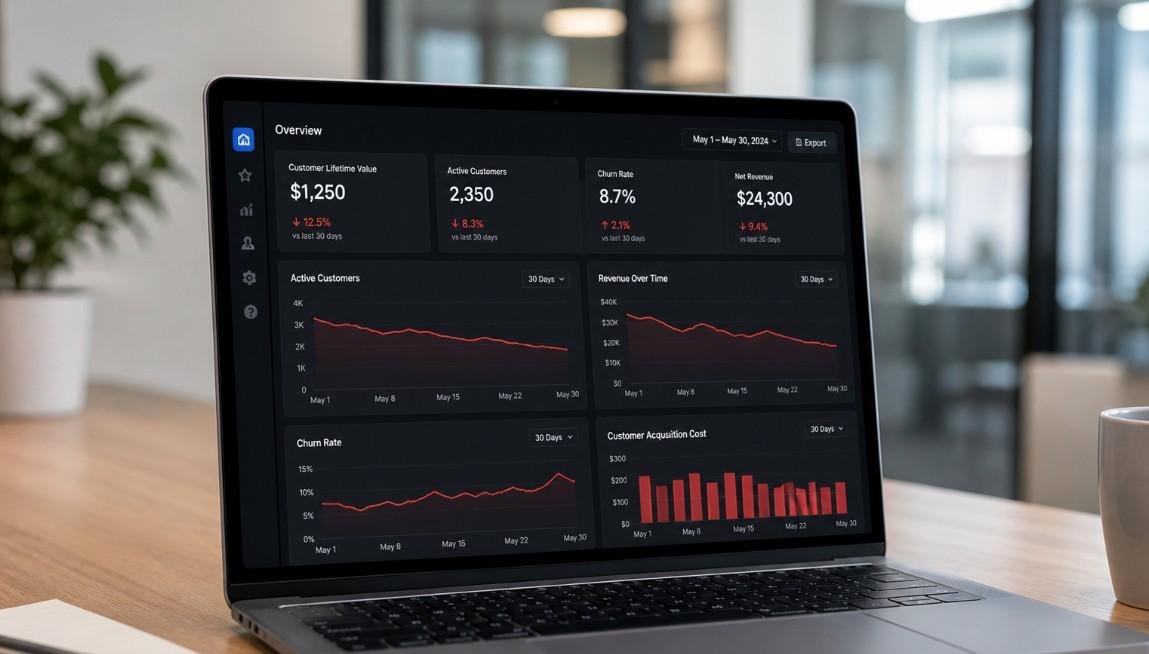
Beyond basic churn rate, businesses often track related metrics for deeper insights. Customer lifetime value helps measure how much revenue a customer generates over time. Retention rate shows how many customers stay with you.
Net revenue churn captures the financial impact of lost customers. Together, these metrics provide a complete picture of customer health.
What Is Customer Churn And Why It Matters
Churn is not just a number on a dashboard. It is a reflection of your business performance.
Impact On Revenue And Growth
High churn directly reduces recurring revenue and slows down growth. Businesses end up spending more on acquiring new customers just to replace the ones they lost.
Over time, this creates a cycle where growth becomes unsustainable. Lower churn means stronger, more predictable revenue streams.
Customer Loyalty And Satisfaction
Churn reveals how customers feel about your product or service. High churn often signals dissatisfaction, unmet expectations, or lack of engagement.
Improving retention means focusing on delivering consistent value and building trust over time. Loyal customers are more likely to recommend your brand and contribute to long-term success.
Causes Of Customer Churn
Understanding the root causes of churn is the first step toward reducing it.
Lack Of Product Value
Customers leave when they do not see enough value in what they are paying for. This can happen if features are unclear, benefits are not communicated, or expectations are not met. Ensuring customers quickly realize value is crucial to keeping them engaged.
Poor Customer Experience

A frustrating user experience can push customers away faster than anything else. Slow support, confusing interfaces, or lack of guidance can lead to dissatisfaction. Businesses that prioritize user experience tend to retain customers more effectively.
Pricing And Competition
Price plays a major role in customer decisions. If customers feel the cost is too high or competitors offer better alternatives, they may switch. Balancing pricing with perceived value is key to reducing churn.
How To Reduce Customer Churn Effectively
Reducing churn requires a proactive and customer-focused approach.
Proactive Customer Support
Helping customers before they face issues can significantly improve retention. Monitoring user behavior and reaching out early builds trust and prevents frustration. Proactive support makes customers feel valued and supported throughout their buying journey.
Enhanced Onboarding Experience
First impressions matter more than most businesses realize. A strong onboarding process ensures customers understand how to use the product and achieve quick wins. When customers experience value early, they are more likely to stay long term.
Improved Engagement Strategies
Regular communication helps maintain relationships and keeps customers engaged. Personalized emails, referral marketing, product updates, and feedback requests create a sense of connection. Engaged customers are less likely to churn and more likely to become loyal advocates.
Customer Churn Benchmarks
Knowing what is considered a good churn rate helps set realistic expectations.

Industry Benchmarks
Churn rates vary by industry. SaaS businesses typically aim for 3 to 5 percent monthly churn, while consumer-focused platforms may see slightly higher rates. Comparing your churn rate to industry standards helps identify whether your performance is on track.
What Is A Good Churn Rate?
A good churn rate depends on business stage and model. Early-stage companies may experience higher churn as they refine their product. Established companies are expected to maintain lower churn rates due to stronger customer relationships and optimized processes.
Frequently Asked Questions
1. What is the meaning of customer churn?
Customer churn is the percentage of customers who stop using a product or service during a specific period.
2. What does 5% churn mean?
It means 5 out of every 100 customers left your business within a given time frame.
3. What is another word for customer churn?
Customer churn is also called customer attrition or customer turnover.
4. What is a good customer churn?
A good churn rate varies by industry, but generally below 5 percent monthly is considered healthy.
So, Why Does Customer Churn Deserve Your Attention?
Understanding what is customer churn is not just about definitions or formulas. It is about recognizing patterns, improving customer experiences, and building long-term relationships that drive sustainable growth. Businesses that actively monitor and reduce churn gain a clear competitive advantage. By focusing on value, engagement, and proactive support, churn becomes a manageable metric rather than a constant threat.
